
Digital Marketing Articles by LaunchingPros
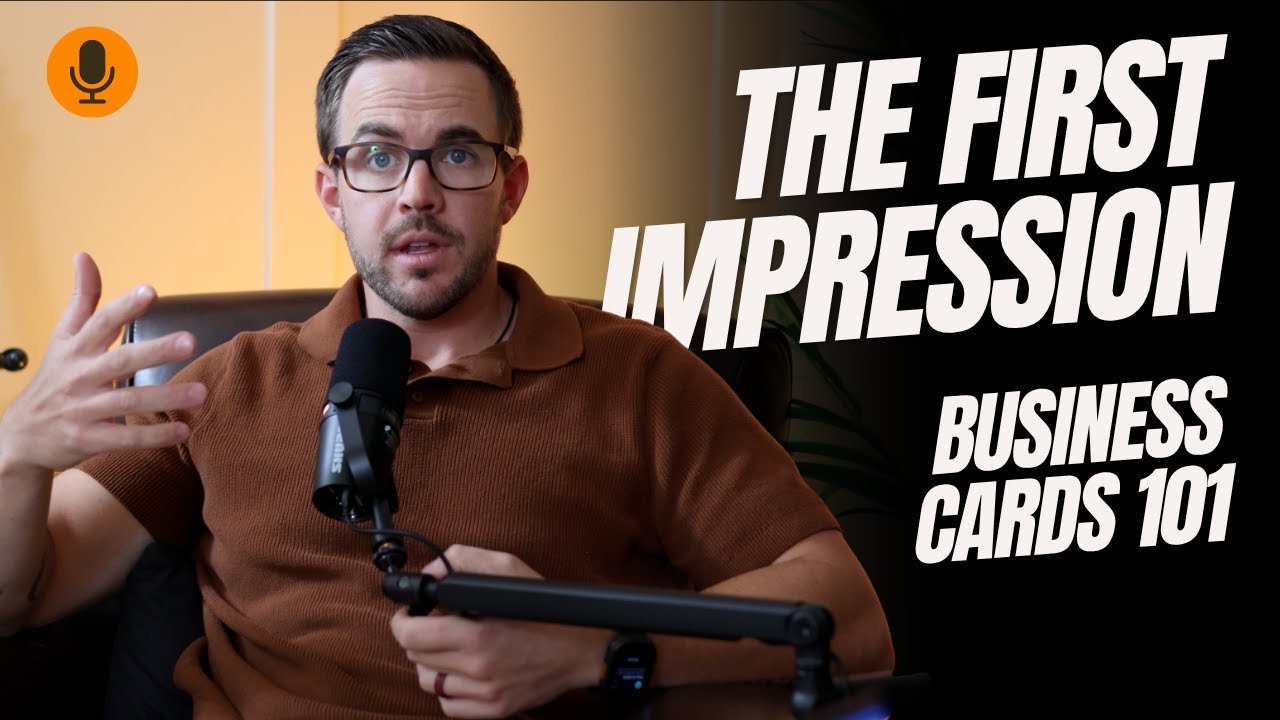
Why Business Cards Still Matter in 2026 (And How One Yard Sale Proved It)
In a world obsessed with digital everything — QR codes, LinkedIn profiles, and digital business cards — it’s easy to assume that old-fashioned business cards have become obsolete.
But here’s the truth: they still work.
And we’ve got the story to prove it.
Yard Sale Turned Marketing Win
Recently, one of our team members hosted their annual neighborhood yard sale. Like most yard sales, it was part community event, part garage clean-out, and part friendly chaos.
But this time, something unexpected happened.
A man stopped by, struck up a conversation, and asked what he did for work. When he mentioned that he helps small businesses grow through marketing, the man replied:
“Oh really? I actually own several shops in the valley and have been meaning to get into marketing.”
So, he handed him a business card.
Two weeks later, that simple exchange turned into a new client — which then became multiple projects — and eventually evolved into an ongoing monthly retainer.
All from a single piece of cardstock.
Why Business Cards Still Work
1. They’re Tangible Proof You Exist
When someone holds your card, it feels real. It makes your business feel legitimate in a way a link or text message never will. People can feel it, see it, and tuck it into their wallet — it’s a small, physical reminder of who you are.
2. They Build Trust — Especially Across Generations
Older business owners and professionals are used to exchanging cards. It’s how business relationships have started for decades. A physical card bridges that generational gap and creates instant credibility.
3. They Make You Easy to Remember
A clean, well-designed card stands out more than a name someone jots into their phone. Especially if it has your logo, website, and QR code to make it effortless to find you later.
Tips for Creating an Effective Business Card
If you’re going to print cards, make them worth handing out. Here’s how:
✅ Include the basics:
Your name, title, phone number, email, website, and (if applicable) physical address.
✅ Add a QR code.
This is non-negotiable in 2025. A QR code instantly takes someone to your website or social media without them typing anything in.
Tip: You can make one for free in Canva, but if you want flexibility, pay for a dynamic QR code that can be updated later without reprinting your cards.
✅ Keep it clean.
Don’t clutter it with unnecessary text or over-the-top designs. If you’re in a creative industry, show off your design chops — otherwise, keep it simple and professional.
✅ Use quality paper.
A flimsy card sends the wrong message. A heavier card stock feels intentional and trustworthy.
✅ Print locally if you can.
Stores like Staples offer same-day printing for affordable prices. They’re fast, reliable, and perfect for business owners who need cards quickly.
The Follow-Up Secret: Don’t Just Hand It Out — Get Theirs Too
One of the most overlooked networking mistakes?
Only giving out your card.
If you’re working B2B, always ask for their card too. That gives you control of the follow-up instead of waiting around for them to contact you.
People get busy. When you reach out first, it shows initiative — and can be the difference between a missed connection and a paying client.
Low Cost, High Impact
Business cards cost pennies — but the right one could bring in thousands.
In this case, a single yard sale conversation turned into a client that’s now generating consistent monthly revenue. That’s a pretty solid ROI for a box of paper cards.
So the next time you’re tempted to skip the business cards at your next event, remember: the best marketing tools aren’t always digital. Sometimes, they fit right in your wallet.
Get your business card holder on amazon.
This post contains affiliate links — We may earn a commission if you purchase through them, at no extra cost to you"). As an Amazon Associate, I earn from qualifying purchases.
🚀 Ready to Grow Your Business the Smart Way?
At Launching Pros, we help entrepreneurs and small business owners launch, grow, and streamline their operations.
👉 Subscribe to our newsletter for real-world business strategies, marketing insights, and tools that actually work.
And if you’re ready to take the next step, try our free Launching Pros Checklist App at app.launchingpros.com.
It’s packed with step-by-step checklists to help you start, organize, and grow your business — from setup to scaling.
Your next client might just be one conversation away.
Make sure you’ve got the card ready.

Help entrepreneurs live their dream by helping them launch their businesses online.
Follow Us


© 2025 Launching Pros. All rights reserved.